
Educational AI vs Generative AI

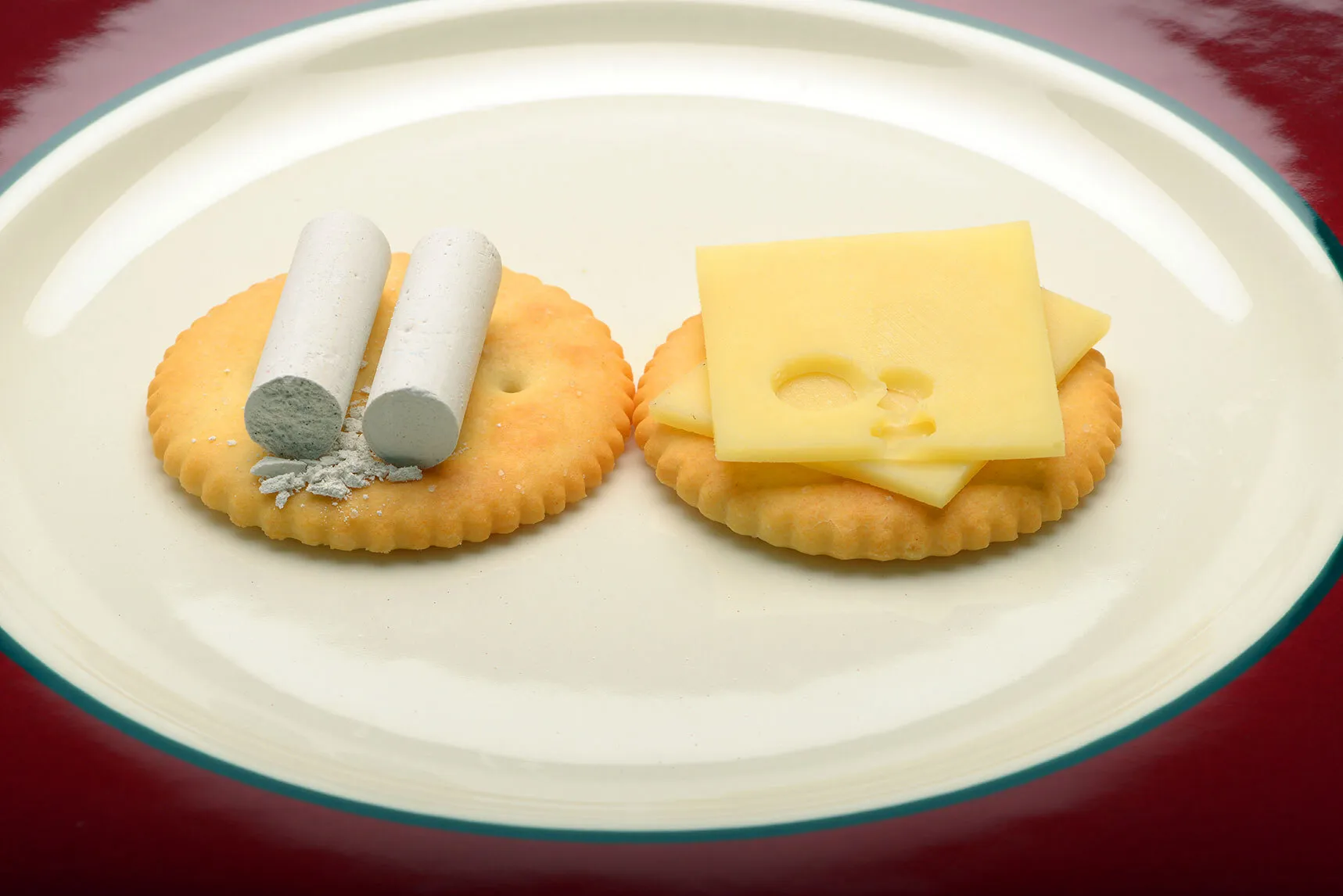
Because of the obvious issues raised by Generative AI producing work for students, many schools are working to create policies and procedures about the use of Generative AI. In New Zealand, Te Mahau is tasked with supporting schools to safely and effectively use this technology and has indicated it will become compulsory for schools to have an AI policy.
However, not all AIs are created equal.
Writer’s Toolbox Educational AI is different to Generative AI in purpose and function. Below, we discuss the differences between the two and why the distinction is vital for education.
Comparing Educational AI and Generative AI
Educational AI
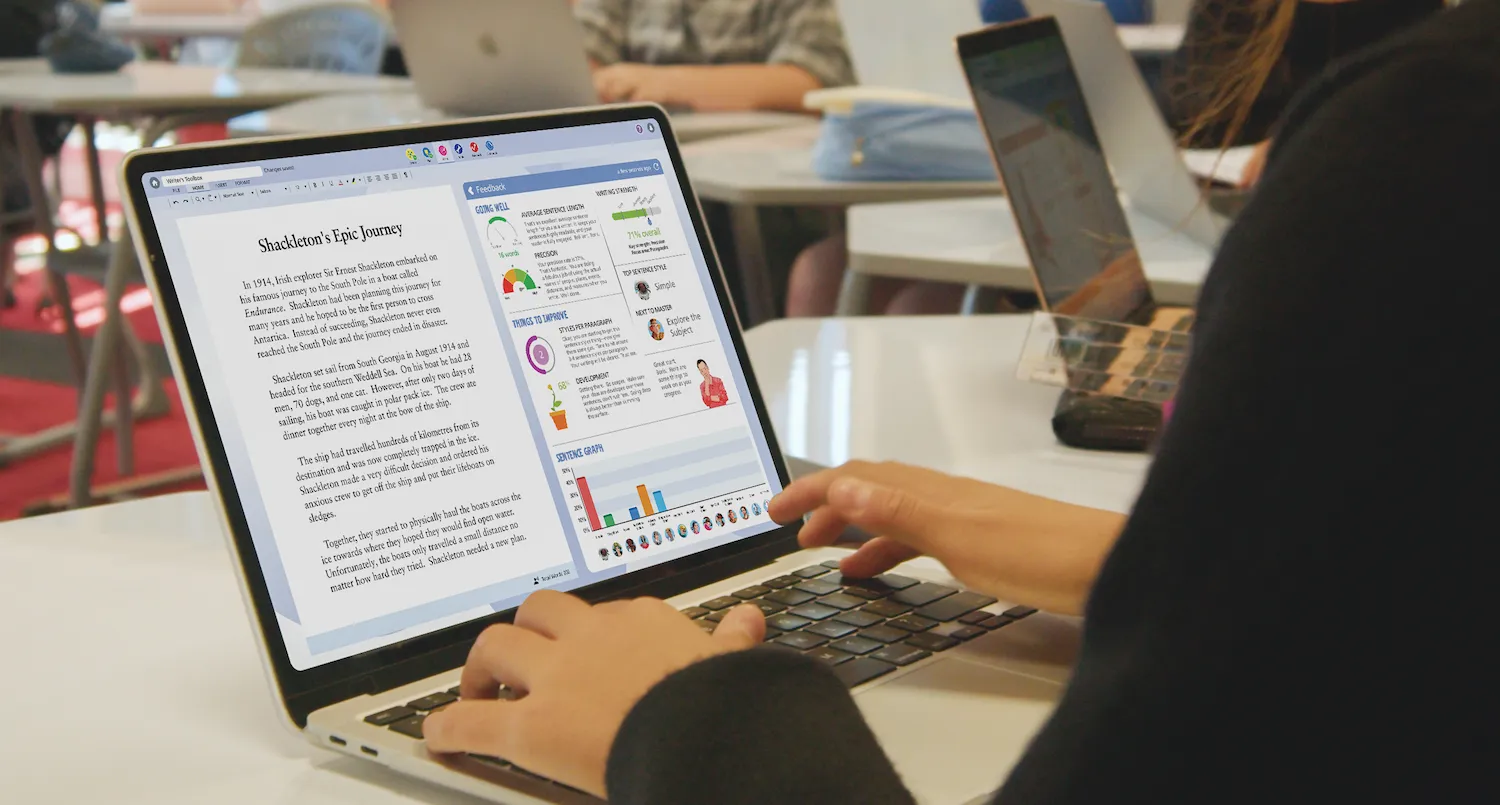
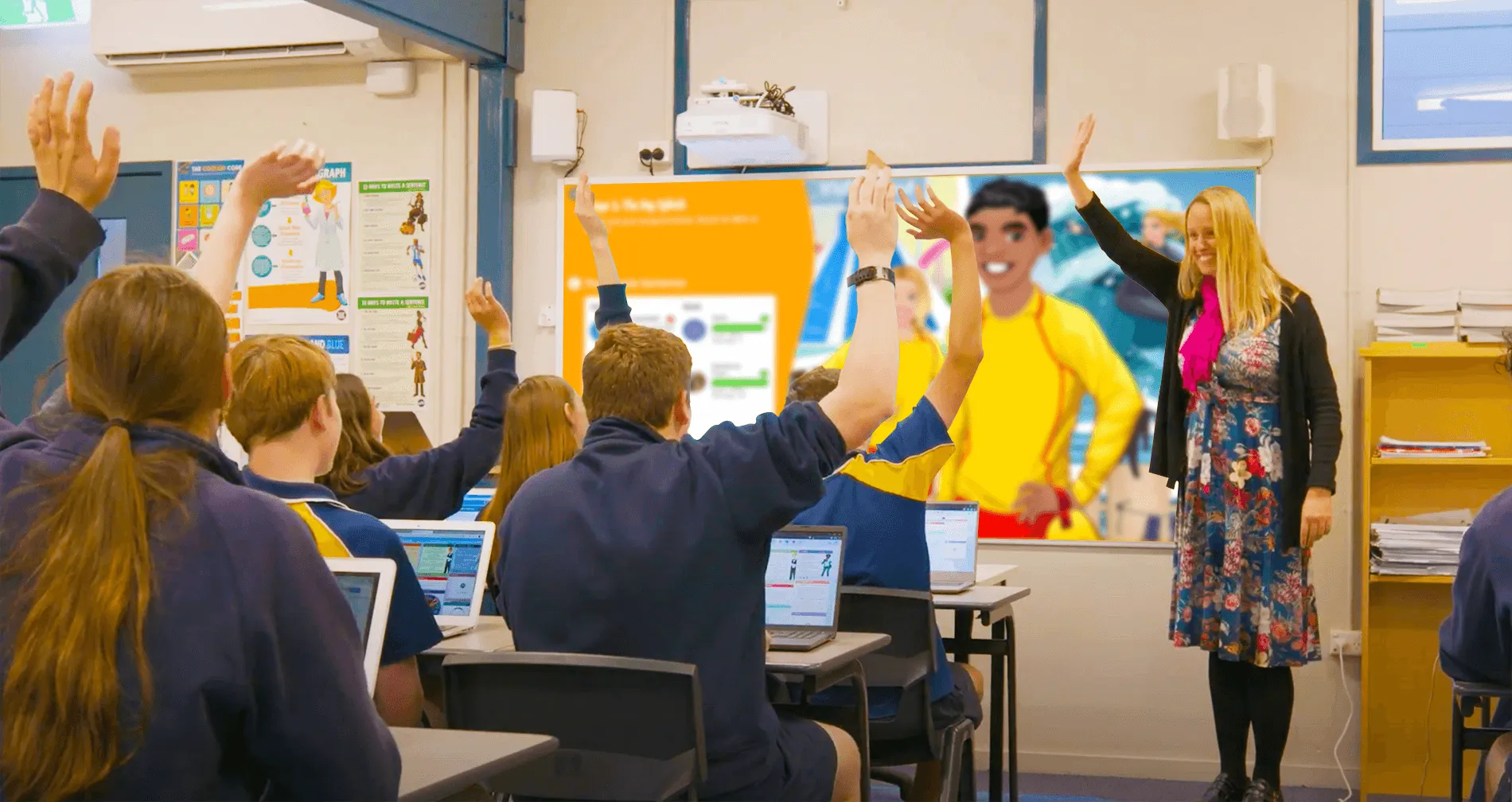
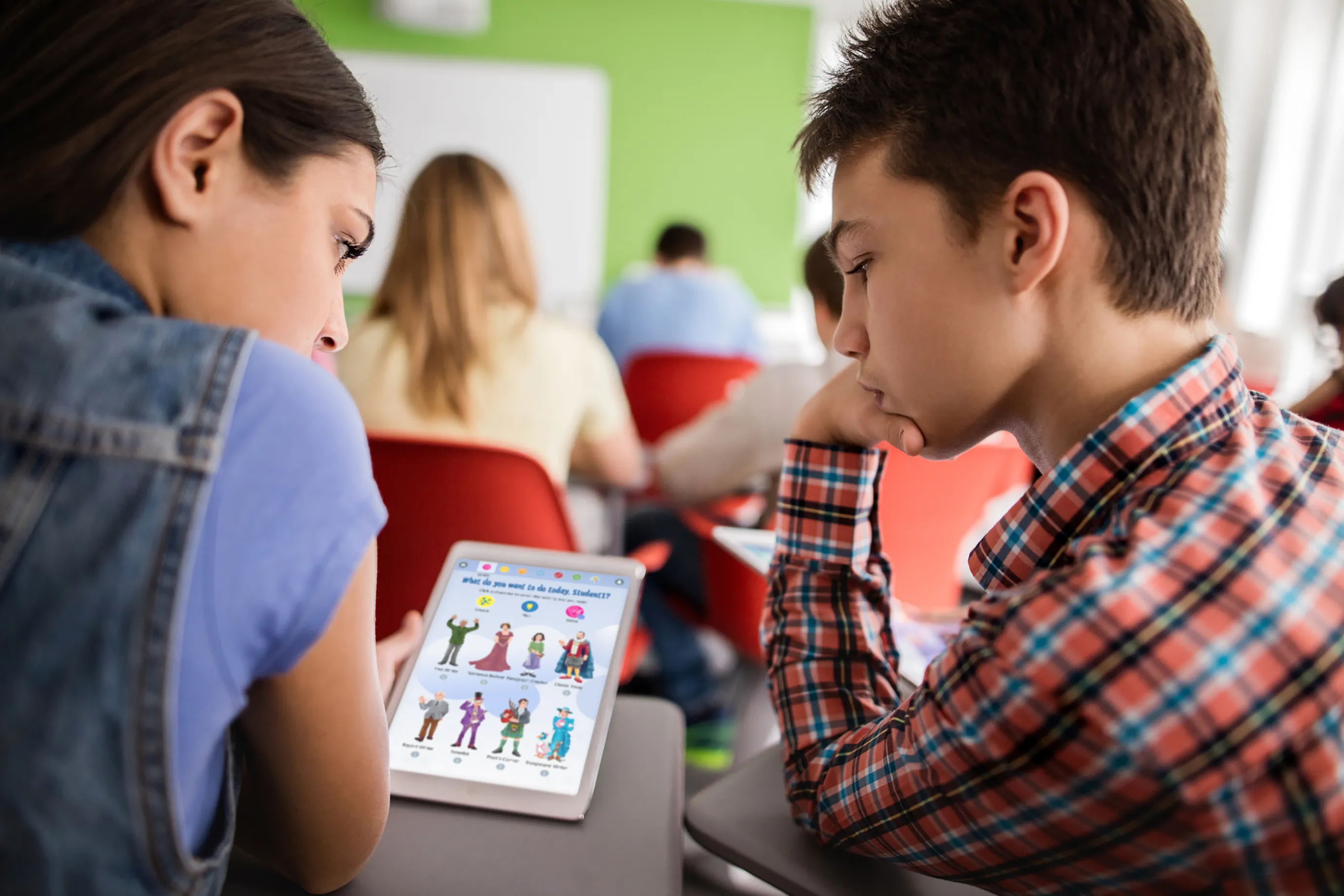
The Educational AI inside Writer’s Toolbox is designed specifically for the needs of the modern classroom. Writer’s Toolbox supports student learning by identifying how their writing can be improved, without suggesting changes. Students need to apply their own thinking to correct their work, demonstrating their skill and further improving their writing abilities.
Writer’s Toolbox does not produce text for students or make any ‘Accept all changes’ suggestions. Its purpose is to educate.
Generative AI
In comparison, New Zealand’s Ministry of Education defines Generative AI as tools like Chat GPT and Google Gemini, which interact through language in a human-like way, answer questions, and complete written tasks. These tools are designed to replace human effort, generating writing for students without improving their writing abilities.
Simply put: one does the work for you; the other is designed to teach.
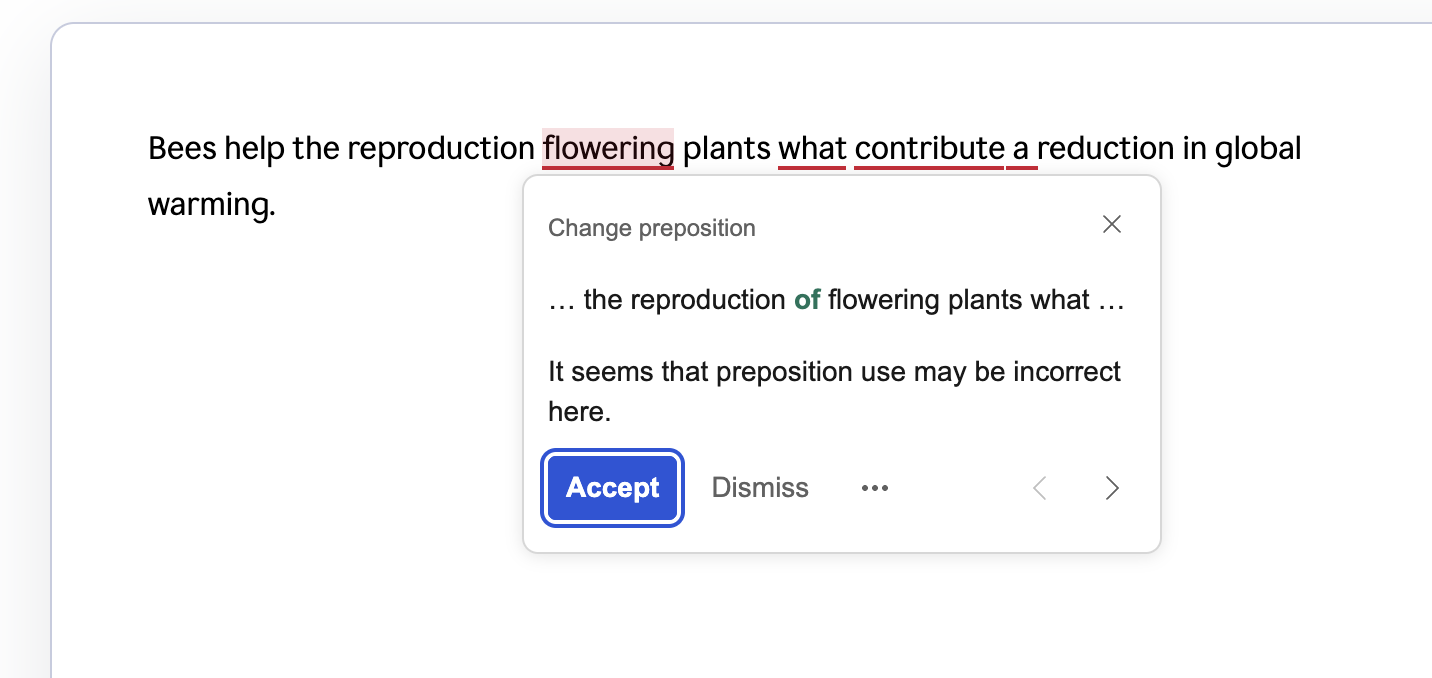
The educational divide between Generative AI and Writer’s Toolbox Educational AI is easy to see. Compare how Grammarly and Writer’s Toolbox Educational AI treat the student writing sample below.
Grammarly:
Writer’s Toolbox:
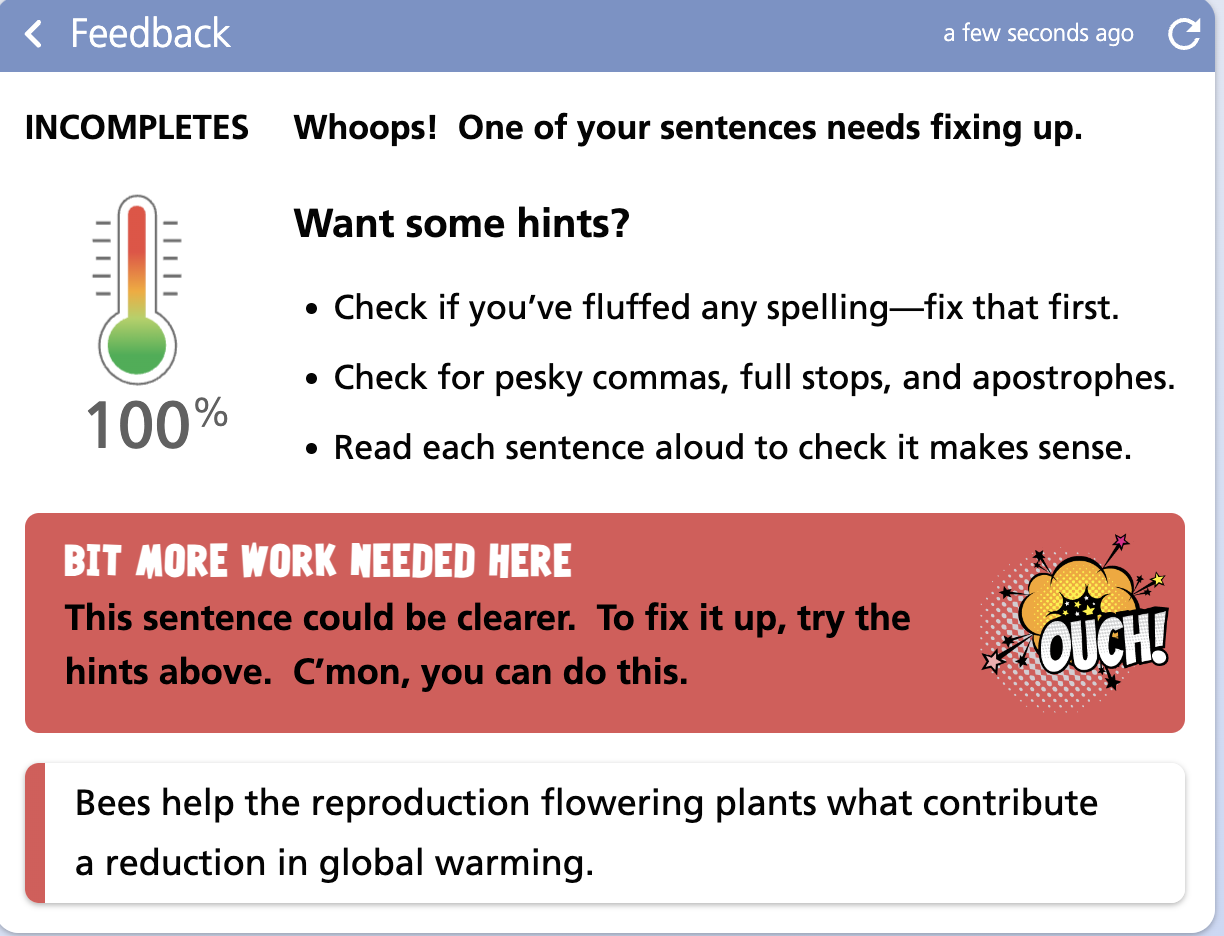
The fundamental difference to learning is clear.
If you want to talk further about Writer’s Toolbox and where it fits in with your school AI policy, drop us a line. We’re happy to help.
395A Manukau Road, Epsom, Auckland 1023, New Zealand