
Reversing the Decline in Civics Knowledge with Educational AI


Recent data revealing that 72 per cent of Australian Year 10 students lack an understanding of the basics of democracy has led to the lowest results in ACARA civics exams since 2004. This alarming trend highlights an overcrowded curriculum in which Civics does not receive the necessary instructional time. While some advocate for a curriculum overhaul, the integration of educational AI programs offers a promising solution.
Educational AI for Critical Thinking and Improved Civics Results
Educational AI should not do the thinking for the student. Instead, it can be specifically engineered to teach the student how to think. Designed to respond to an individual learner’s needs through carefully curated instruction and feedback, it can foster deeper thinking and effective knowledge transfer. Students become self-directed learners, following their curiosity, engagement, and exploration. They become increasingly self-aware about their own growth as a learner and their mastery as a thinker. Importantly, students can articulate these abilities if asked.
In the context of Civics, Educational AI can sharpen critical thinking skills. Students are taken on an intellectual journey, where they are challenged to analyze, evaluate, and synthesise information from diverse sources. Within Civics, a deeper understanding of democratic principles is developed. Argumentation and reasoning skills are strengthened through scaffolds, planning tools, learning modules, and the teaching of writing structures designed to support critical analysis and the range of cognitions required for successfully engaging with the complex topics within Civics. Educational AI can produce students who can write better, organise their thoughts in deeper ways, communicate more clearly, and answer questions more insightfully. These skills are crucial for developing media literacy, preparing for civic participation, and ensuring they stay informed about Australian values and politics.
Empowering Teachers and Enhancing Writing Skills
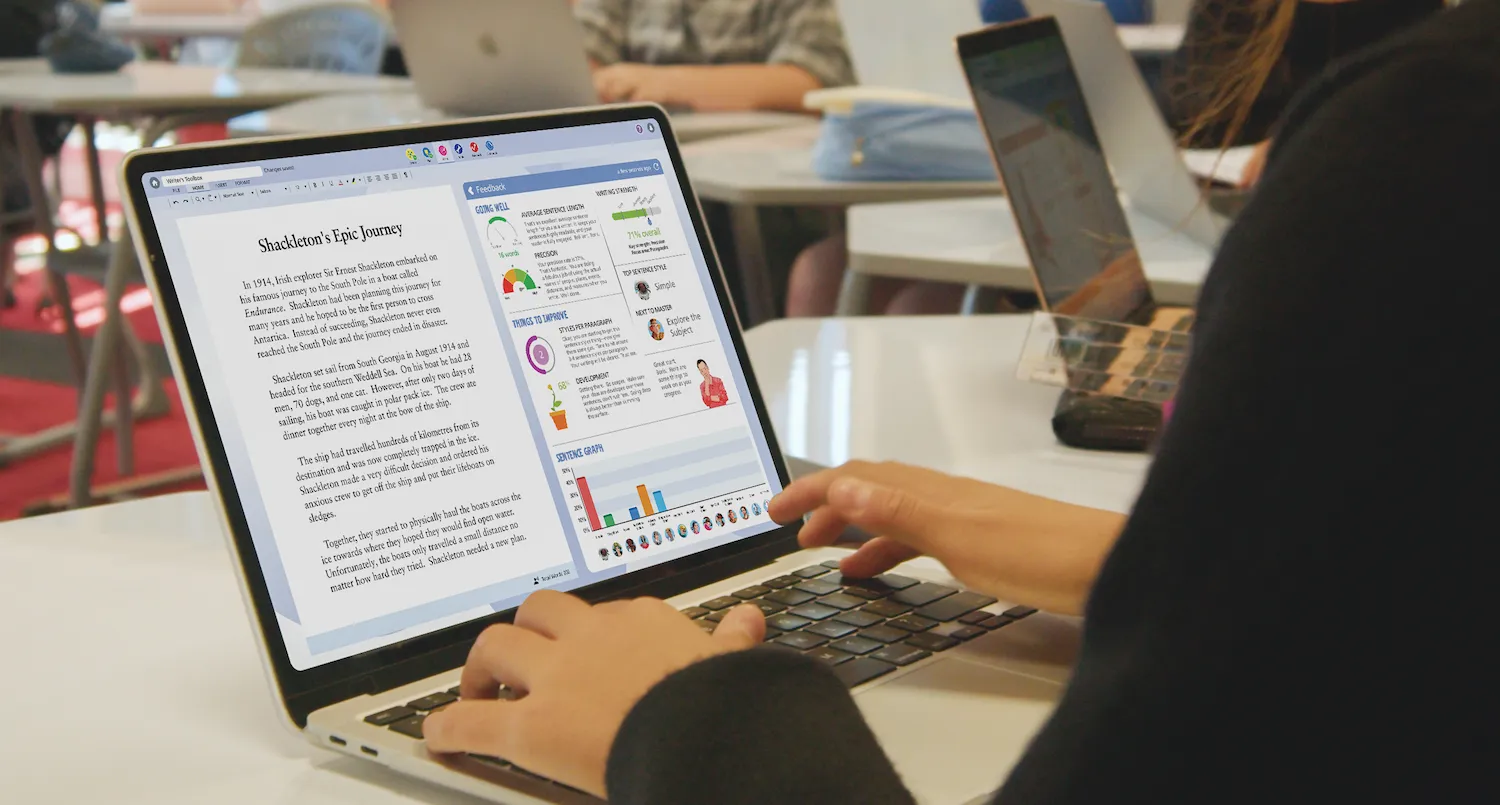
Educational AI can be built to uphold and support the position of the teacher as the expert in their classroom. So teachers can better understand the needs of their students, Educational AI programs offer the classroom teacher real-time writing data on a range of key writing metrics, as well as detailed profiles of their students’ writing skills. Areas of strength and weakness are isolated and identified; teachers can then make appropriate and targeted interventions. Teacher time is saved, workload reduced, and learning time and quality discussions with students prioritised. Student achievement can be celebrated.
"Education AI programs offer the classroom teacher real-time writing data on a range of key writing metrics, as well as detailed profiles of their students' writing skills."
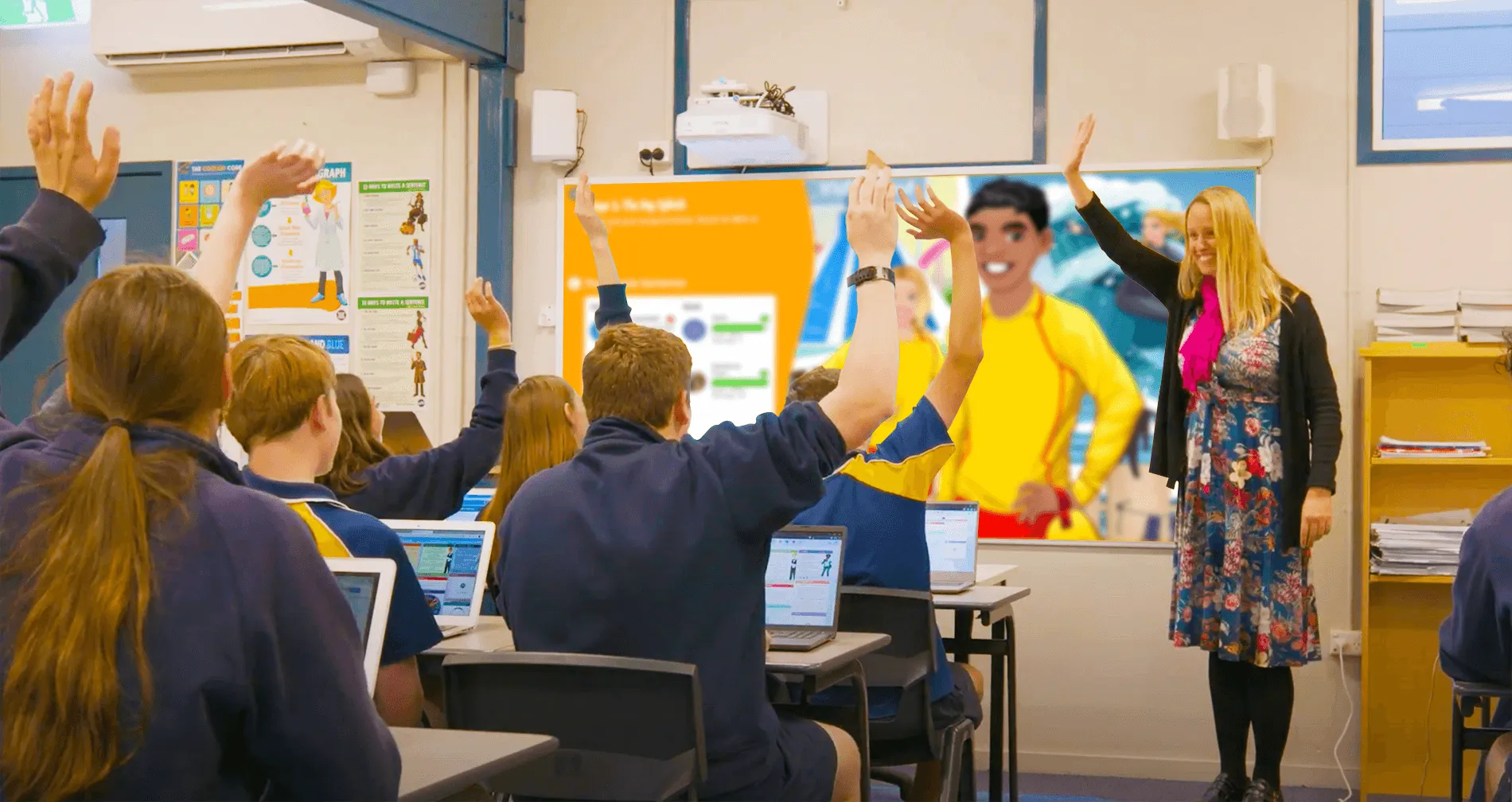
Educational AI can seamlessly integrate into the classroom, providing real-time, tailored feedback to each student at their most teachable moment. Students interpret their progress through immediate AI feedback and profile information, with detailed writing metrics delivered in an easy-to-understand way. Students can set goals, identify areas for growth and extension, and undertake self-directed learning to gain greater understanding and knowledge. Furthermore, the program supports students holistically, strengthening writing and thinking skills across all subject areas while building confidence in communication and overall academic performance.
The impact of a specific program is proven: many Queensland schools using Writer’s Toolbox have demonstrated improvement in NAPLAN writing scores double that of the state improvement.
A Holistic Approach to Educational Improvement
A whole-school AI writing programme is one that exemplifies the potential of AI in education. The integration of AI is not limited to individual subjects. It can be implemented across the entire school system to elevate writing standards and cultivate effective communication skills. This holistic approach not only addresses the immediate challenge of declining Civics results but also fosters a culture of continuous improvement in education. By implementing Educational AI platforms across the whole school system, students can become more confident communicators with critical thinking skills.
Within schools, Educational AI is both an enabler of curriculum and the ‘how’ that writing on a subject like Civics is done. For example, teachers may ask students to analyse how a policy impacts Australian citizens. But seldom does teaching take place on how to analyse: AI programs can assist in teaching this skill. Similarly, a teacher may ask a student to reflect. But who teaches you how to reflect? AI programs can help teach this skill.
While the decline in Civics results is concerning, AI-powered educational tools offer a practical and effective solution. By supporting teachers, enhancing critical thinking, and improving writing skills, AI has the potential to reverse this trend and equip students with the knowledge and skills necessary for active and informed citizenship.

395A Manukau Road, Epsom, Auckland 1023, New Zealand