
Children need a break from school on their holidays, not six more weeks of it

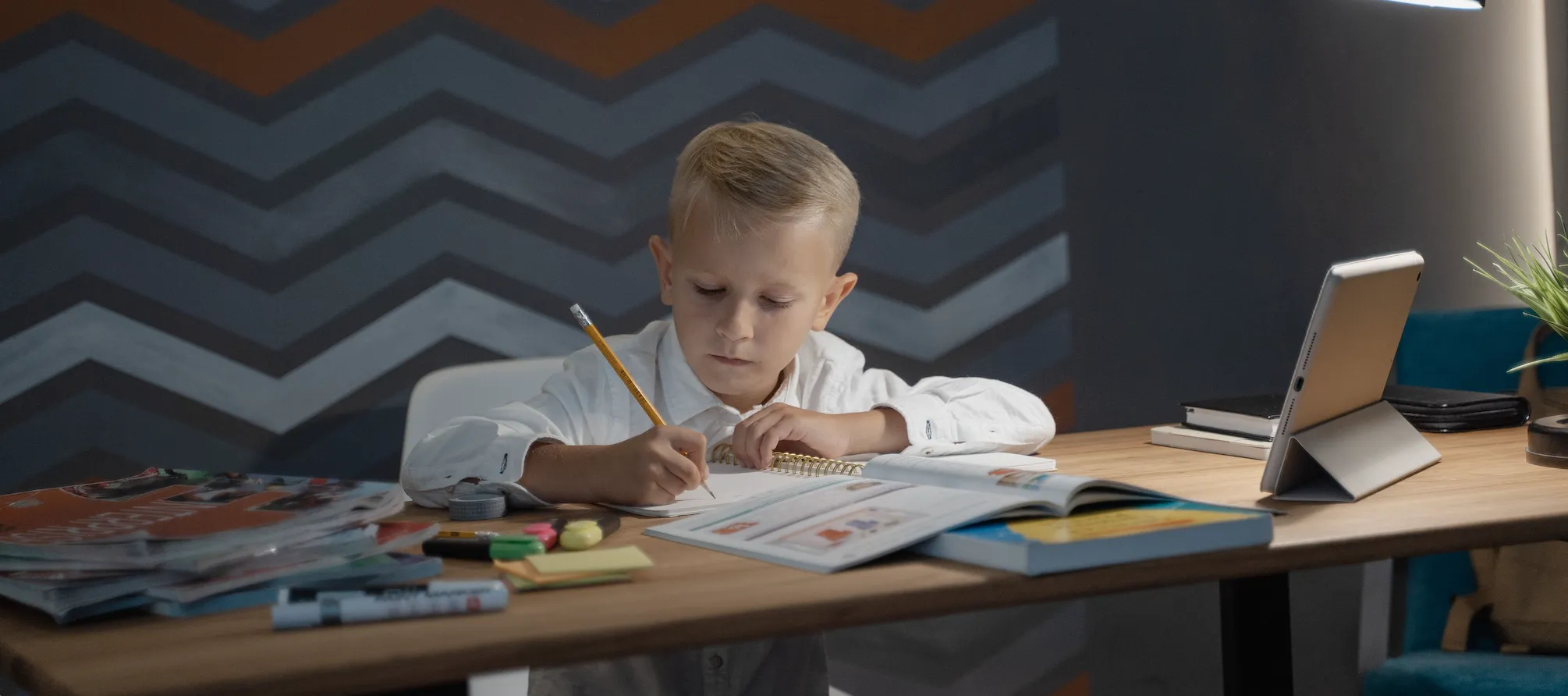
In an article originally published by LBC, award-winning educator, bestselling author of Teach them to Write and Founder of global edtech Writer's Toolbox, Dr Ian Hunter argues that children need a genuine break over the school holidays, not more schoolwork in disguise. In the process, Hunter reveals what a truly successful summer should be measured by.
Every summer comes another raft of warnings about “summer learning loss”. The premise is simple: children spend six weeks away from the classroom, forget what they have learned and return in September less able than when they left.
The proposed solution? Often more work.
But what children need after an intensive year of study, coursework and exams is a holiday. The instinct that they should spend it producing worksheets, essays and assessed work misunderstands what that break is for.
Children do not need six weeks of school at home. They need six weeks in which learning can look different.
Perhaps the best way to think about this is to start with the endpoint. What do we actually want education to achieve? Surely it is to equip every young person with the skills, confidence and curiosity to pursue the opportunities they want in life. School is critical to that, but it isn't the only place those capabilities develop.
Summer offers different opportunities to learn through sport, reading, travel, socialising, volunteering and involvement in the local community. Even ordinary activities can help.
Planning a family meal involves budgeting and organisation. Trying a new sport develops teamwork and communication; volunteering can foster empathy and independence; keeping a journal encourages reflection and writing.
Rather than obsessing about what young people might lose academically over the summer, perhaps we should pay more attention to what they might gain.
That doesn’t mean homework has no place. But there is a difference between meaningful learning and setting homework for homework’s sake.
Schools could suggest a book or optional creative project linked to next term. Children could write about somewhere they have visited, somebody they have met or something they have done in their community. The aim should be to encourage curiosity and independent thinking, not recreate the classroom at the kitchen table.
There is also a more serious issue. If we are genuinely concerned about disadvantaged children falling behind, six weeks of holiday homework cannot compensate for inequalities that develop over years. The attainment gap does not suddenly appear when the school gates close in July.
Homework also assumes children have someone at home able to provide the feedback, guidance and encouragement they would normally receive from a teacher. Giving every child the same work does not necessarily create equality.
Without the right support, we risk exacerbating the inequalities we are trying to address. The more important task is to create a level playing field throughout the school year: identifying gaps early and giving children support before disadvantage becomes entrenched.
So maybe we need a different measure of a successful summer.
Holidays do not mean an erosion of learning; they are an opportunity to amplify it.
If we start with the endpoint, the question isn't how many worksheets a child has completed. It's whether they return in September emotionally fulfilled, curious, confident and ready to learn.
Education should never become so narrow that we fail to recognise the experiences that help young people thrive and discover who they are.


395A Manukau Road, Epsom, Auckland 1023, New Zealand